Now Enrolling
A warm Spanish immersion Montessori community where toddlers strengthen language, movement, self-care, social confidence, and independence through purposeful daily experiences.
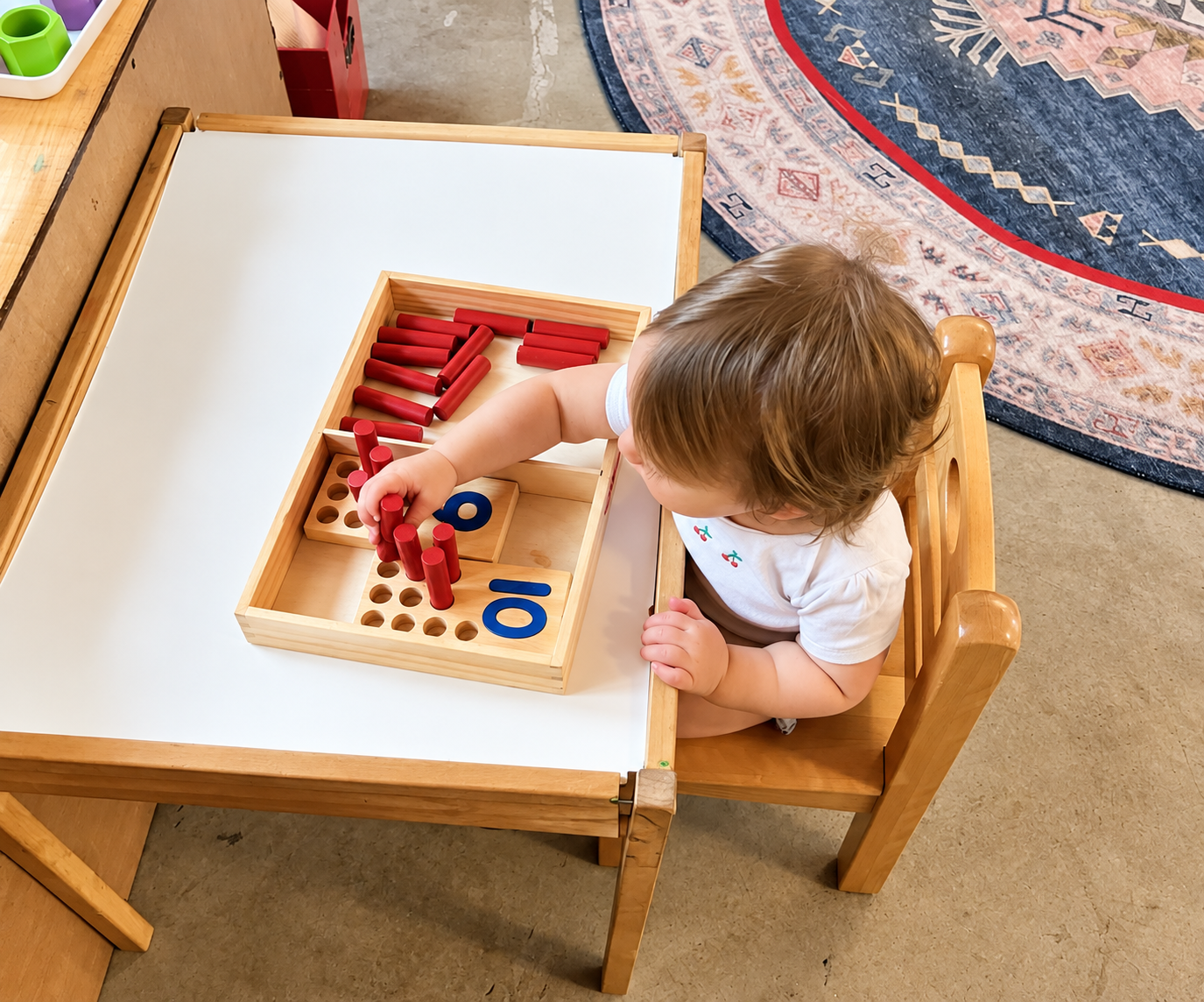
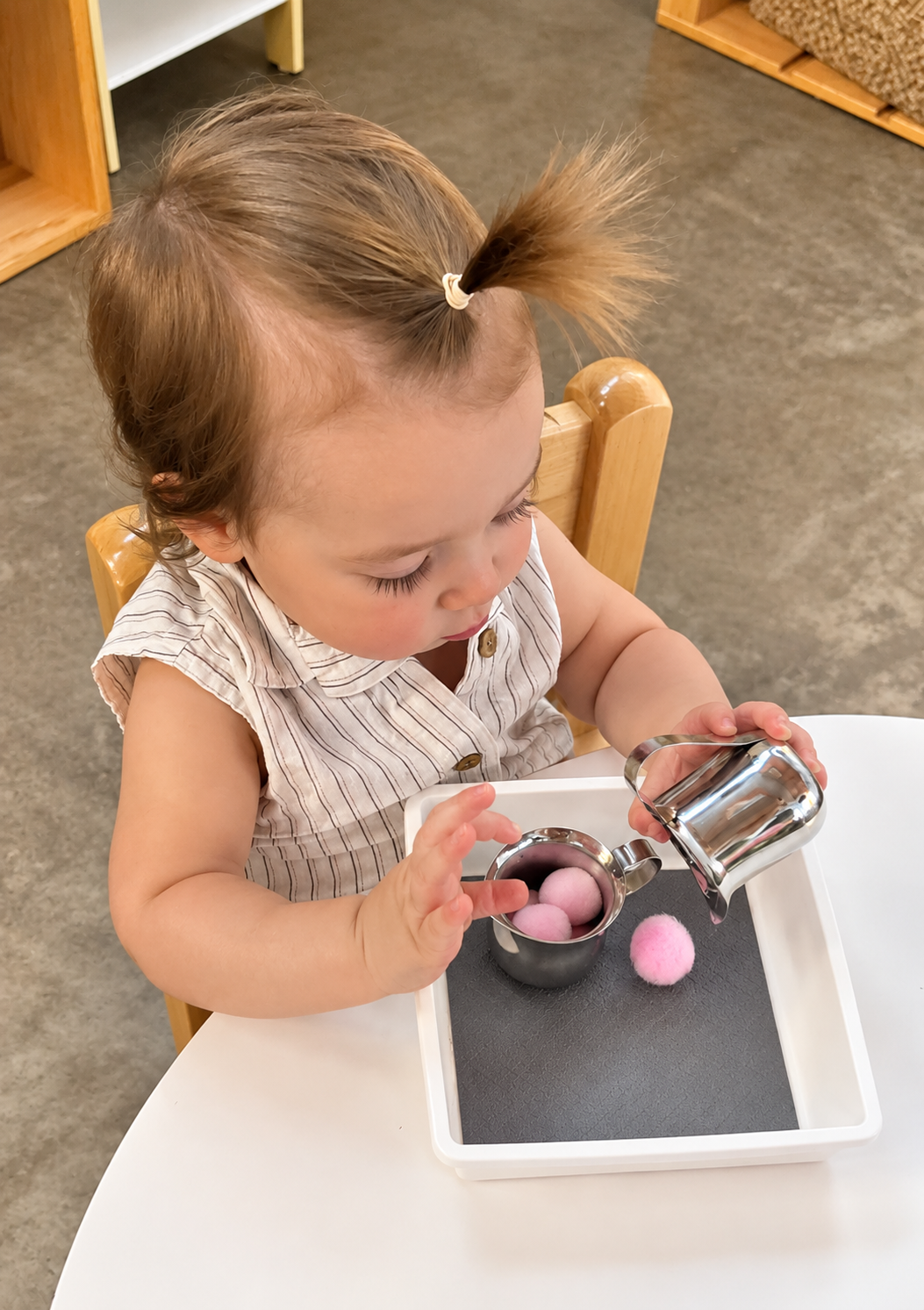
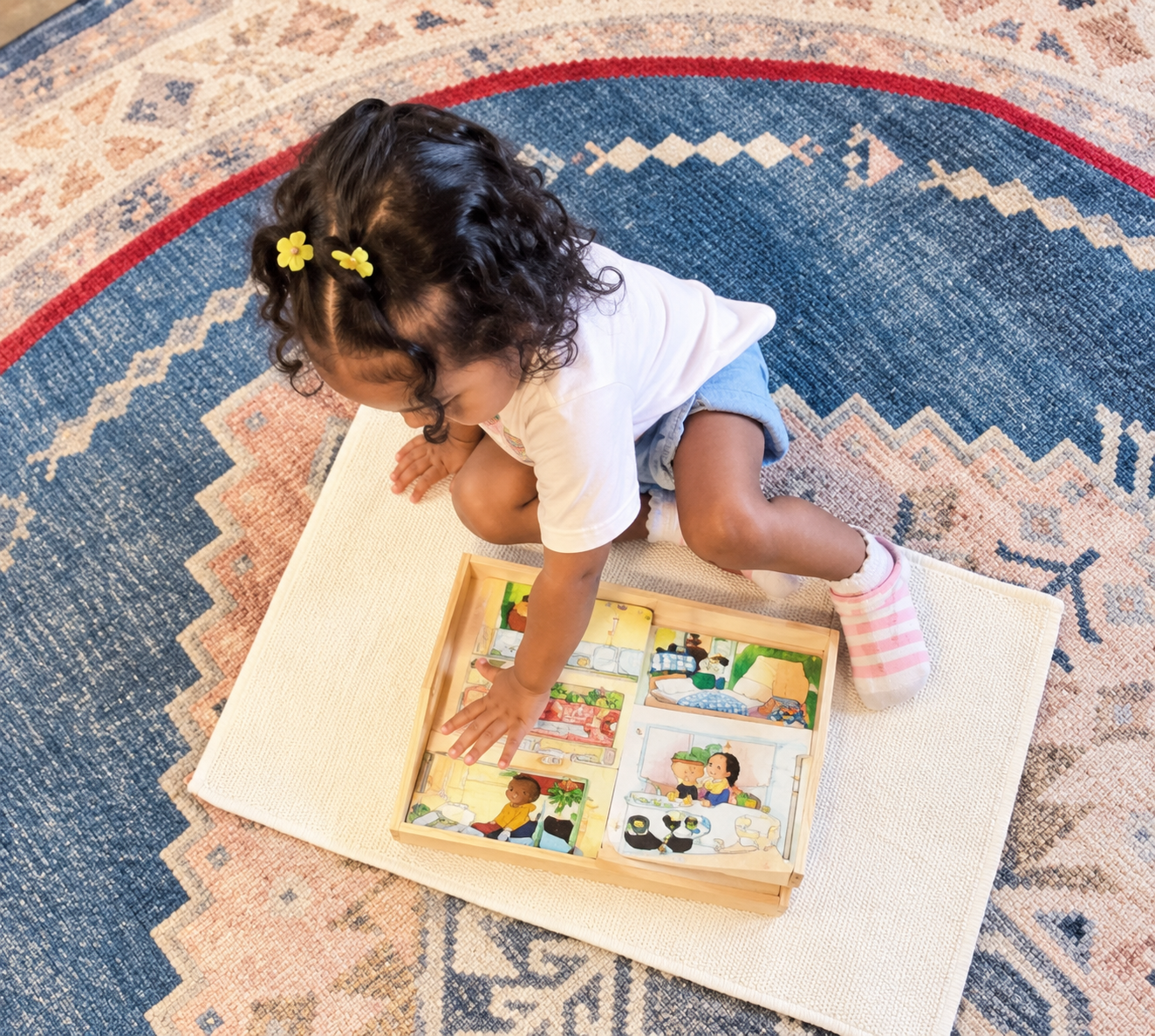
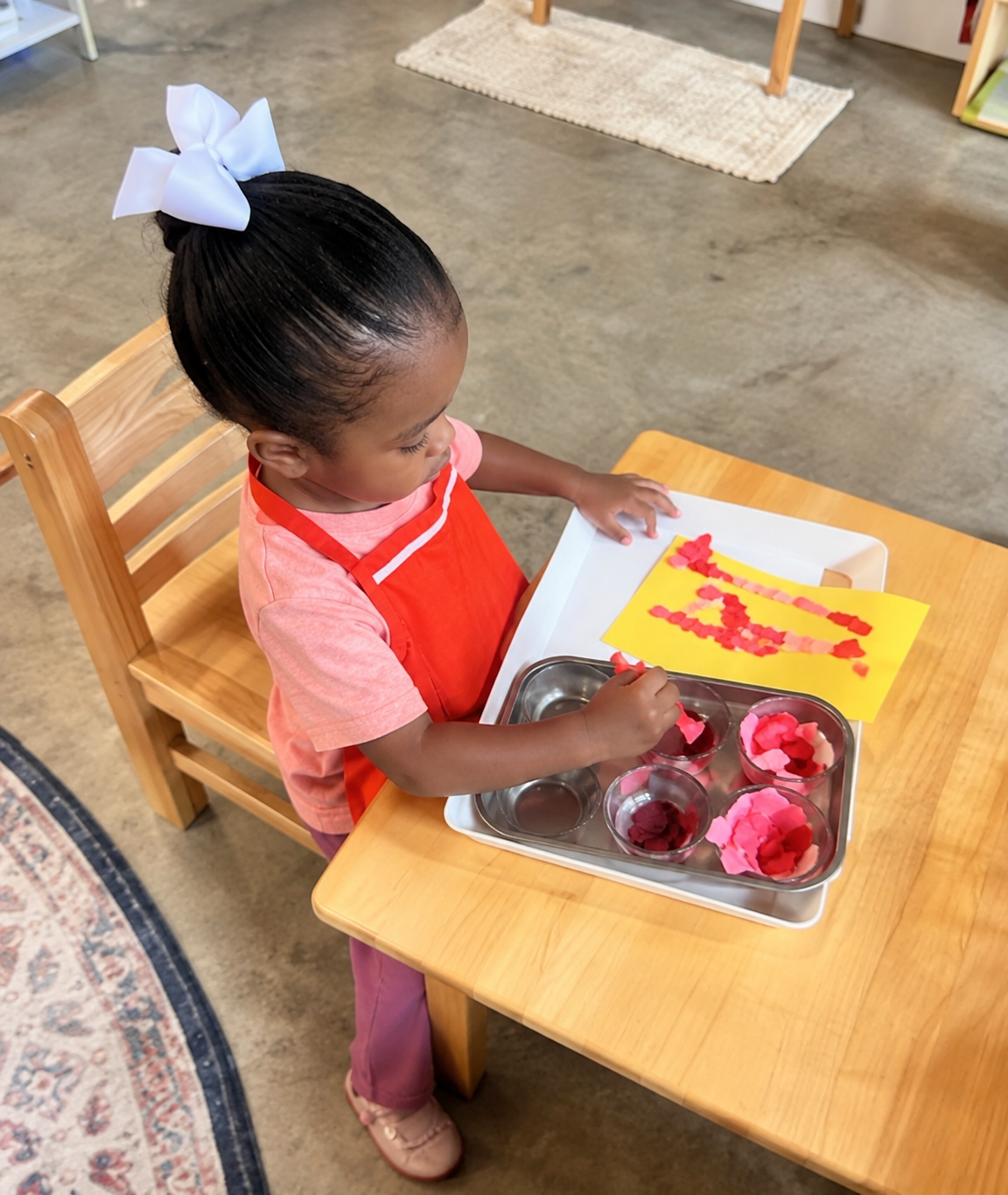
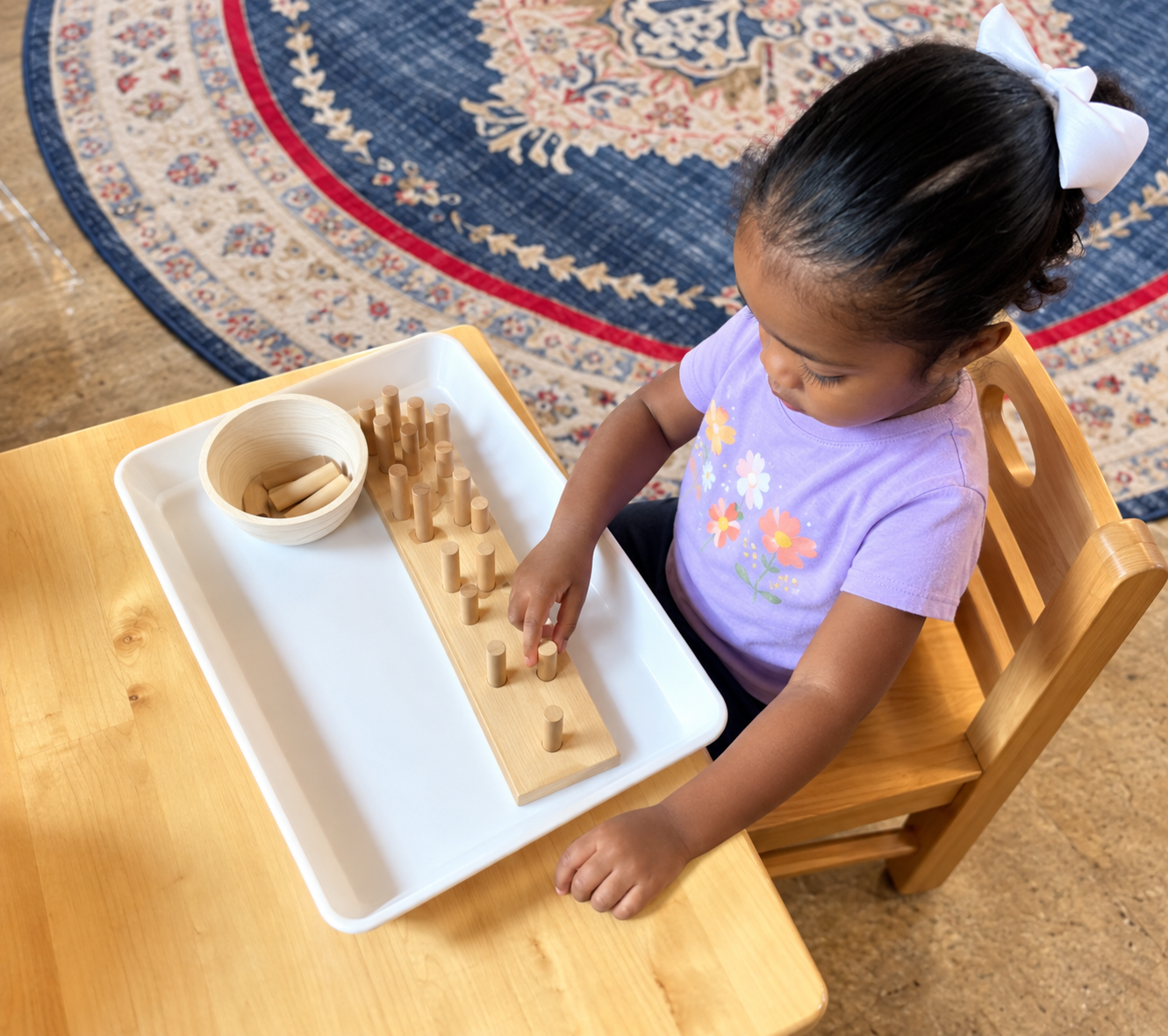
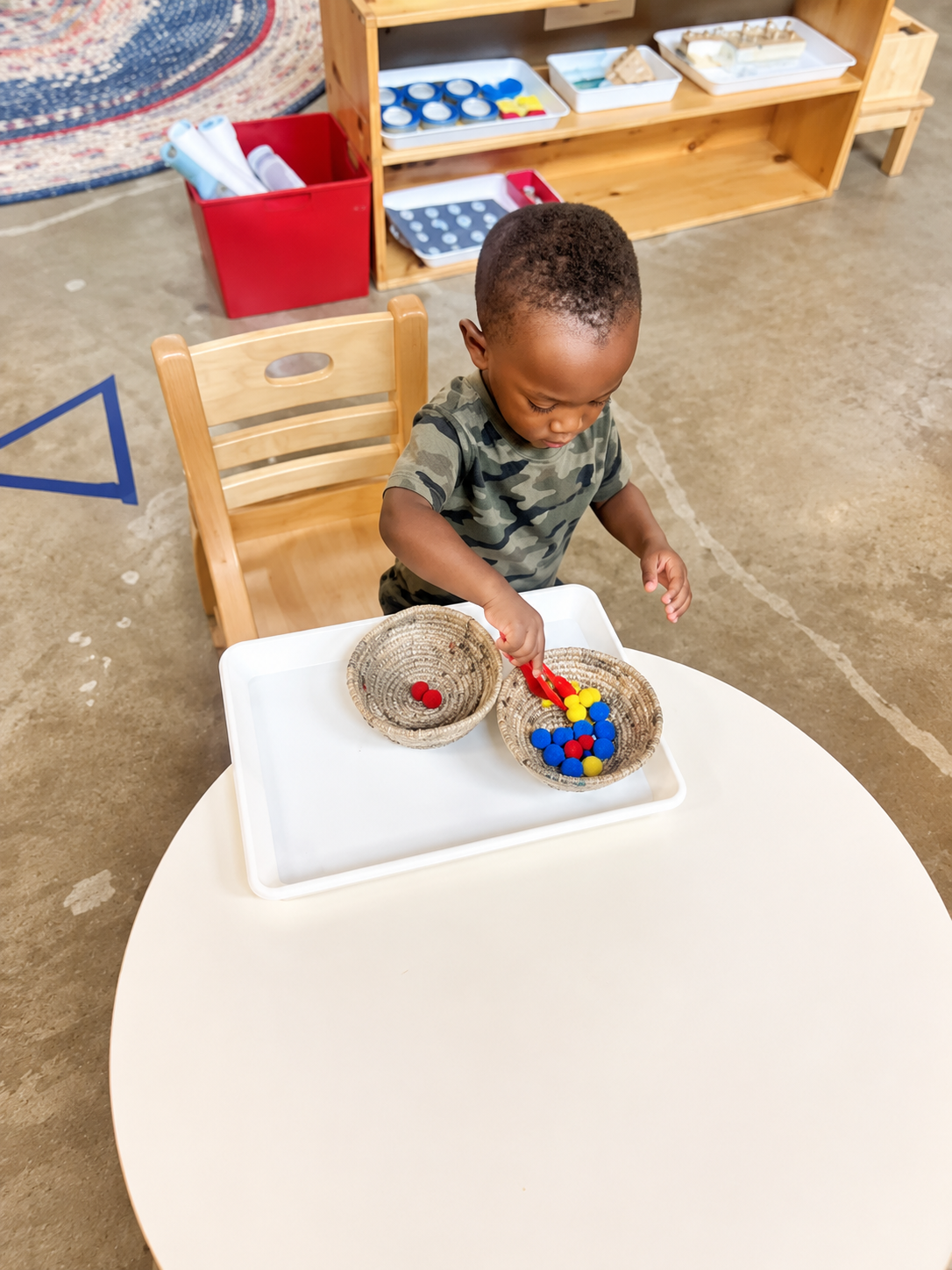
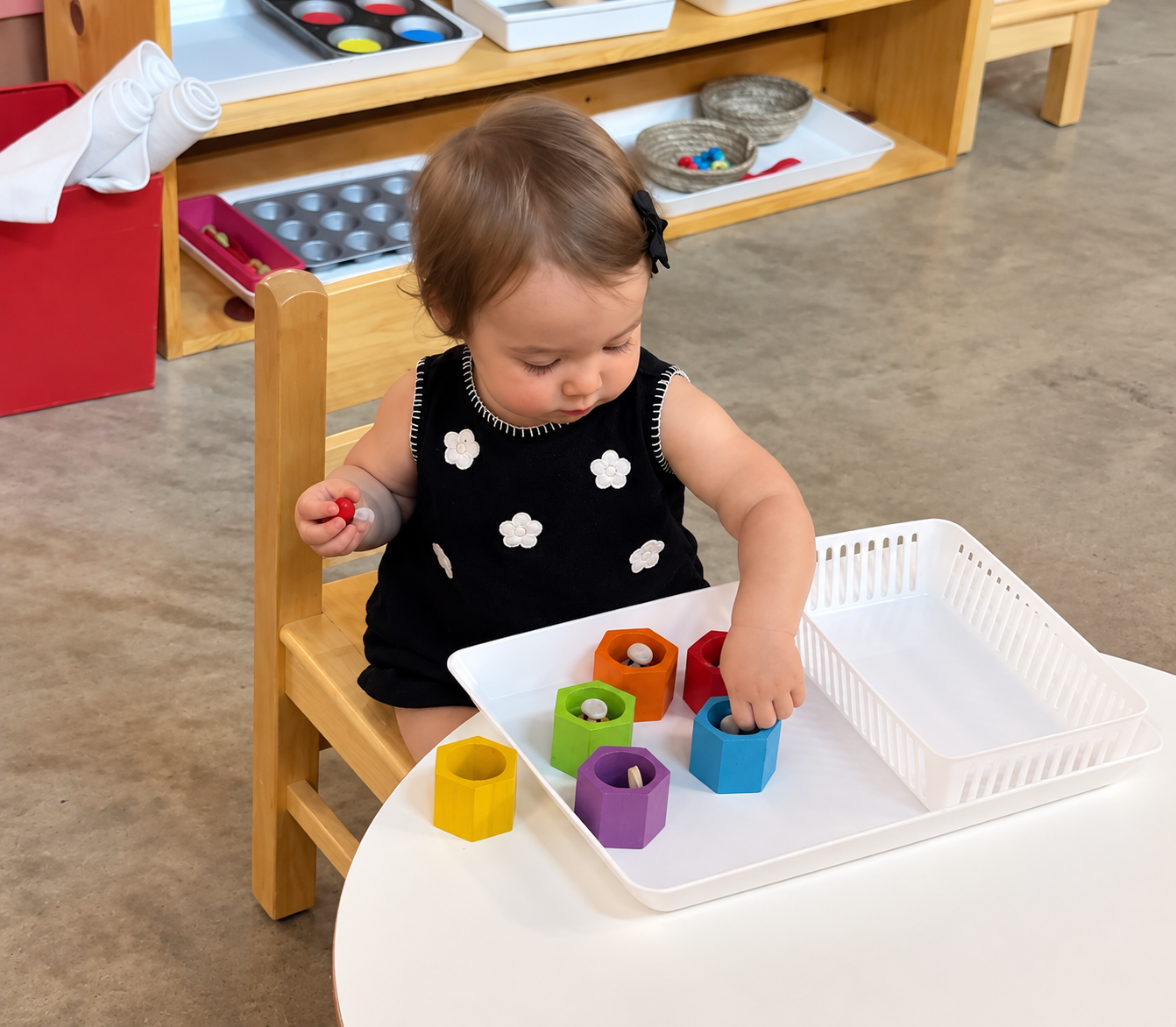
Small moments of discovery, concentration, and growing independence at Mi Casita.
Open the toddler classroom images below. Automatic rotation requires JavaScript.
Purposeful Early Learning
Children learn through hands-on experiences, repetition, movement, observation, and meaningful participation in their classroom community.
Our Spanish immersion Montessori environment respects each childs individual pace while offering consistent routines, appropriate choices, and guidance from caring teachers.
What Children Learn
Classroom experiences support physical, cognitive, language, social, emotional, and practical development.
Pouring, carrying, cleaning, dressing, food preparation, and classroom care build coordination and independence.
Songs, stories, conversation, vocabulary lessons, and daily Spanish immersion support communication.
Purposeful materials help children compare size, shape, color, texture, sound, and other qualities.
Stacking, transferring, drawing, sorting, and manipulating materials strengthen hand control.
Climbing, running, balancing, dancing, and outdoor movement build strength and coordination.
Children practice parallel play, cooperation, turn-taking, empathy, and respectful classroom behavior.
Teachers support body awareness, dressing skills, bathroom routines, and family-led toilet learning.
Predictable classroom sequences help toddlers understand expectations and participate confidently.
Uninterrupted work time allows children to repeat activities and gradually extend their attention.
Daily Schedule
Children experience an uninterrupted Montessori work cycle, outdoor movement, meals, rest, and afternoon care.
The morning work cycle gives children time to select activities, receive lessons, repeat work, and develop concentration without unnecessary interruption.
Schedules may adjust for classroom needs, special activities, weather, and individual development.
Early Arrival
Calm arrival, connection, and quiet activities.
Montessori Work Cycle and Group Experiences
Individual lessons, purposeful work, language, music, and community activities.
Outdoor Play
Movement, exploration, nature, and social experiences.
Lunch and Transition
Lunch, cleanup, self-care, and preparation for rest or pickup.
Half-Day Pickup
Pickup for children enrolled in the half-day program.
Rest Period
Rest and quiet activities according to age and classroom needs.
After-School Program
Snack, outdoor play, creative activities, and continued care.
Developmental Growth
Teachers observe emerging skills and prepare experiences that support each child’s individual development.
Children develop at different rates. These examples are general developmental guides, not requirements or guarantees.
Toilet learning is a developmental process rather than a competition or deadline. We partner with families when children show readiness and work toward consistent routines between home and school.
Family Partnership
Teachers and families work together to understand development, routines, interests, successes, and areas needing support.
Families receive helpful school and classroom communication through Brightwheel.
Teachers use careful observation to plan lessons and monitor developmental progress.
Conferences provide time to discuss milestones, classroom experiences, and goals.
New students receive patient support as they build trust and become comfortable with classroom routines.
Toddler Program FAQ
Meet our teachers, explore the prepared environment, and discover how Mi Casita can support your child’s growth.